Category: cancer alternative medicine
-
Where do we draw the line between a person’s right and State’s interest. If this is a highly communicable disease I would agree the State should put it’s foot down. In terms of cancer, I’m sure if the person is an adult there’s no issue, but as a minor… Why is 18 an arbitrary age…
-
http://m.ibtimes.com/scientists-discover-new-connection-between-red-meat-cancer-1771646
-
http://www.huffingtonpost.com/nina-lutz/the-lord-of-the-rings-my-_b_6401376.html
-
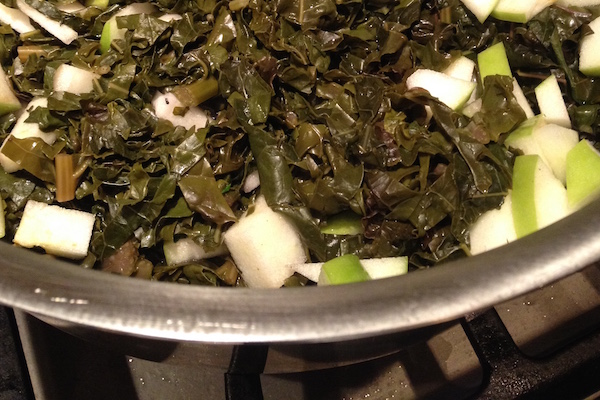
Originally posted on Breast Cancer Authority: Recipe By: Dr. Don Ross. A marvelous recipe that includes the superfood kale, antioxidant filled green apples and detoxifying apple cider vinegar, all fabulous ingredients to fight cancer. This kale side dish served with black beans and corn bread is an excellent meal for any healthy (cancer) diet. Ingredients:…
-
The WordPress.com stats helper monkeys prepared a 2014 annual report for this blog. Here’s an excerpt: A San Francisco cable car holds 60 people. This blog was viewed about 2,800 times in 2014. If it were a cable car, it would take about 47 trips to carry that many people. Click here to see the…
-

Originally posted on Breast Cancer Authority: Dr. Robin Dilley, Author of In A Moment’s Notice: A Psychologist’s Journey With Breast Cancer and a licensed psychologist. The HOLIDAY season comes at the best time of the year, starting in fall and finishing in the heart of winter. It is the best time of the year, because…
-
Originally posted on Lyra Nara Blog: Axial CT image with i.v. contrast. Macrocystic adenocarcinoma of the pancreatic head. Credit: public domain Researchers at Mayo Clinic’s campus in Jacksonville say they have identified first steps in the origin of pancreatic cancer and that their findings suggest preventive strategies to explore. In an online issue of Cancer…
-
http://beforeitsnews.com/alternative/2014/08/cancer-100-curable-in-1-2-months-doctors-silenced-3007238.html
-
http://www.breitbart.com/news/mind-over-matter-the-brain-alone-can-tone-muscle/
-
Originally posted on Lyra Nara Blog: A therapy that liberates the immune system to attack cancer cells drove Hodgkin lymphoma (HL) into complete or partial remission in fully 87 percent of patients with resistant forms of the disease who participated in an early-phase clinical trial, investigators at Dana-Farber Cancer Institute and partnering institutions report in…

